Ranking Every Cut by Flavor, Tenderness, and Value
Not every steak on a menu is created equal, and finding a genuinely longhorn great steak often comes down to matching the right cut to your personal preferences rather than just picking the most expensive option.
Some guests want maximum tenderness, others want bold, beefy flavor, and plenty of people are simply trying to figure out where the best value sits on the menu.
This guide ranks every steak on Longhorn’s Legendary Steaks lineup across the factors that actually matter flavor, tenderness, marbling, and price so you can walk in already knowing which cut is likely to be your longhorn great steak.
Rather than treating every cut as equally deserving of the “best” label, this breakdown is organized around what different guests are usually looking for, since the most tender steak isn’t necessarily the most flavorful one, and the priciest cut isn’t always the best value.
Think of this less as a single ranked list and more as a decision guide by the end, you should have a clear sense of which specific cut is most likely to be your own personal LongHorn great steak, based on what you actually care about when you sit down at the table.
“Fire-grilled to enhance its distinctive flavor, this thick cut is a steakhouse classic.”
What Actually Makes a Steak “Great”
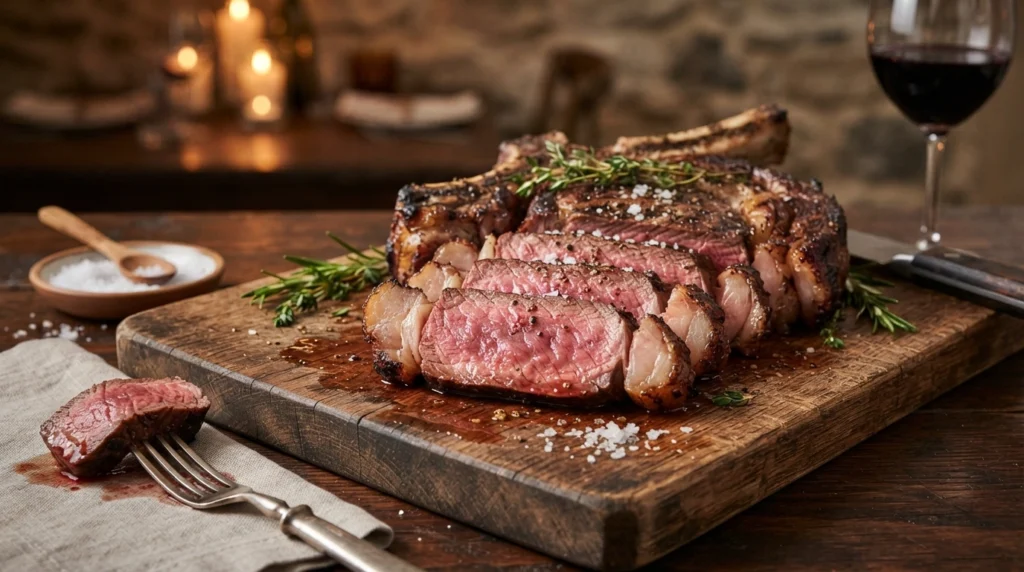
Before ranking specific cuts, it helps to define what “great” even means in this context, since the answer genuinely depends on what you’re prioritizing.
A longhorn great steak for one guest might mean maximum tenderness with minimal chew, while for another it means the boldest, most concentrated beef flavor regardless of texture.
There’s no single objectively correct answer here, which is exactly why a one-size-fits-all “best steak” list tends to miss the point the LongHorn great steak conversation really only makes sense once you know what you’re optimizing for.
The Four Factors That Matter Most
- Marbling the amount of intramuscular fat, which drives juiciness and richness
- Tenderness how easily the muscle fibers break down, largely determined by which part of the animal the cut comes from
- Flavor intensity how pronounced the beefy taste is, which often trades off against tenderness
- Value how the price compares to the size, quality, and overall experience delivered
Understanding these four factors makes it much easier to figure out which specific cut is likely to earn the “great steak” label for your particular taste, rather than relying on a single universal ranking.
Ranking longhorn great steak: Most Tender to Most Flavorful
Steaks generally exist on a spectrum between two extremes: cuts from muscles that do very little work, which are extremely tender but milder in flavor, and cuts from harder-working muscles, which carry more pronounced beef flavor but require more chewing.
Flo’s Filet The Most Tender Option
Cut from the tenderloin, Flo’s Filet is consistently the most tender longhorn great steak on the menu, with a soft, buttery texture that requires minimal effort to cut through.
Its flavor is comparatively mild, which makes it a popular choice for guests who prioritize texture over bold beefiness, or who typically prefer their steak dressed up with a topping like garlic butter or a peppercorn sauce.
Outlaw Ribeye The Richest, Most Marbled Option
The Outlaw Ribeye is widely considered Longhorn’s signature dish, and for good reason: its heavy marbling delivers a juicy, richly flavored bite that many steak lovers consider the platonic ideal of a “longhorn great steak.”
The bone-in preparation also adds extra flavor during cooking, which is part of why this cut consistently ranks as a top pick among regulars, and why so many guests searching for the LongHorn great steak experience gravitate toward it first.
New York Strip The Balanced, Classic Choice
Firmer and leaner than the ribeye, the New York Strip delivers a straightforward, bold beef flavor with a satisfying chew. It’s often described as the most “classic steakhouse” cut on the menu less indulgent than the ribeye, but more flavorful and substantial than the milder filet.
Fire-Grilled T-Bone Two Textures in One
The T-Bone combines a strip section and a smaller filet section separated by a T-shaped bone, giving guests a taste of both textures in a single order. It’s a strong pick for anyone who genuinely can’t decide between the tenderness of a filet and the bolder flavor of a strip.
Renegade Sirloin The Budget-Friendly Everyday Option
Leaner and less marbled than the premium cuts, the Renegade Sirloin trades some richness for a lower price point and a lighter overall bite.
It’s frequently cited as the best entry-level choice for guests who want a satisfying longhorn great steak experience without the premium price tag of a ribeye or filet.
Why Fire-Grilling Matters for Every Cut
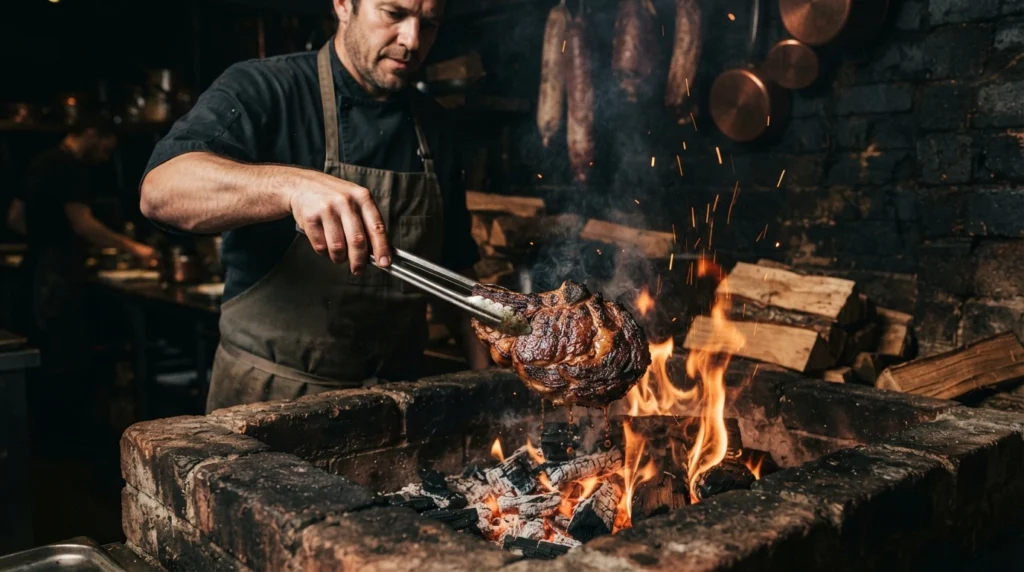
Regardless of which cut you choose, the cooking method plays a real role in whether the final result lives up to a great LongHorn steak experience.
LongHorn’s Legendary Grill program applies open-flame, fire-grilling to every steak on the menu, a method that sears the exterior quickly at high heat while helping lock in the interior juices.
This matters more for leaner cuts like the sirloin and strip, which have less internal fat to protect them from drying out, and slightly less for heavily marbled cuts like the ribeye, which have more built-in fat to keep them juicy even with a small margin of overcooking.
Certified Grill Masters are trained to cook every order to the guest’s exact requested doneness rather than applying a single default temperature across the board, which is part of why consistency across visits tends to be strong.
Understanding this consistency is useful context: it means the biggest variable in whether you get a genuinely longhorn great steak usually comes down to which cut you chose and what doneness you requested, rather than random variation between visits.
Which LongHorn Steak Offers the Best Value?
Price alone doesn’t determine value portion size, included sides, and overall satisfaction all factor into whether a longhorn great steak is genuinely worth its cost.
Value Comparison by Cut
- Renegade Sirloin the clear value leader, offering a satisfying, full steakhouse experience at the lowest price point on the menu
- New York Strip a strong middle-ground pick, delivering more marbling and flavor than the sirloin without reaching ribeye-level pricing
- Fire-Grilled T-Bone a reasonable value for guests who want variety, since you’re effectively getting two cuts in one order
- Outlaw Ribeye priced at a premium, but the richness and larger portion size justify the cost for guests prioritizing indulgence over budget
- Flo’s Filet the most expensive per ounce in many cases, reflecting the tenderloin’s limited supply relative to other cuts on the animal
For guests trying to identify the single best value pick, the Renegade Sirloin and New York Strip consistently come up as the two cuts that deliver the most satisfaction relative to price.
How to Choose Your Great LongHorn Steak
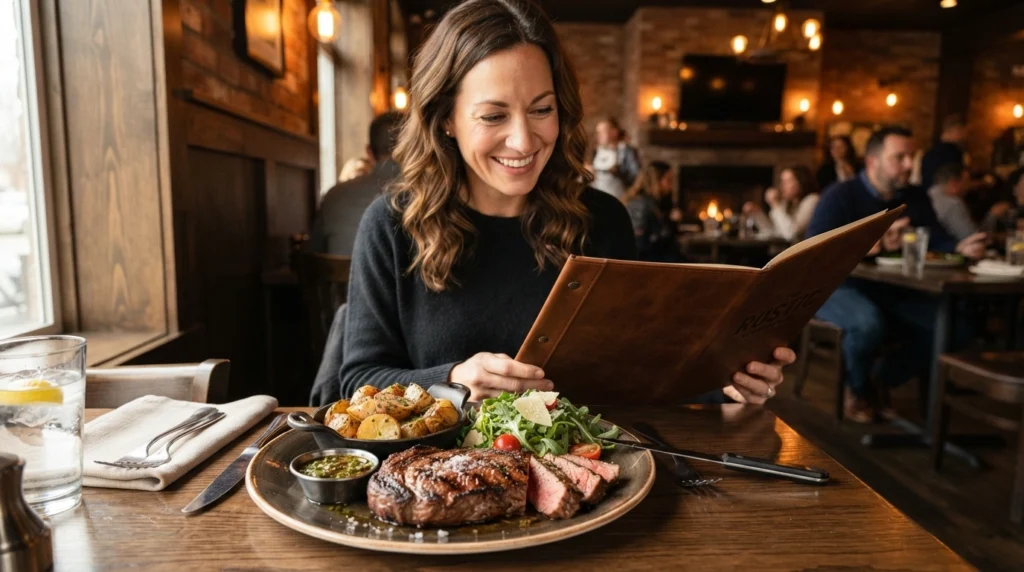
Since “longhorn great steak” depends heavily on personal preference, a short self-assessment can help narrow down the right pick before you even look at the menu.
Match Your Priorities to a Cut
- If tenderness matters most to you → Flo’s Filet
- If you want maximum richness and marbling → Outlaw Ribeye
- If you want bold, classic steakhouse flavor → New York Strip
- If you can’t decide between tender and flavorful → Fire-Grilled T-Bone
- If value is your top priority → Renegade Sirloin
- If you want the largest, most shareable option → The LongHorn Porterhouse
Tips for Getting the Best Version of Any Cut
No matter which longhorn great steak you choose, a few ordering habits significantly increase the odds of getting a genuinely great result.
- Order leaner cuts like the strip and sirloin medium-rare to medium to avoid drying them out, since they have less fat to compensate for overcooking
- Ask for the ribeye or filet cooked medium-rare to preserve maximum juiciness in cuts that are already naturally tender and rich
- Request extra seasoning or a topping, like garlic butter or a peppercorn crust, if you’re ordering a milder cut like the filet and want more pronounced flavor
- Don’t be afraid to ask your server which cut is selling best that day, since freshness and quality can vary slightly with delivery schedules
- Pair your steak with a complementary side, since a rich cut like the ribeye pairs well with a lighter vegetable side, while a leaner cut like the sirloin can handle a heartier loaded potato
Frequently Asked Questions
What is generally considered Longhorn great steak?
The Outlaw Ribeye is most frequently cited as LongHorn’s signature and most popular steak, thanks to its heavy marbling and bone-in preparation, though “best” ultimately depends on whether you prioritize richness, tenderness, or value.
What is the most tender longhorn great steak?
Flo’s Filet, cut from the tenderloin, is consistently the most tender option on the menu, offering a soft texture with a comparatively mild flavor.
Which longhorn great steak is the best value for the price?
The Renegade Sirloin generally offers the best overall value, delivering a satisfying steak experience at the lowest price point on the menu, with the New York Strip as a strong runner-up.
What’s the difference between the Ribeye and the Outlaw Ribeye?
The standard Ribeye is boneless, while the Outlaw Ribeye is a larger, bone-in version of the same cut, generally offering a bigger portion and slightly more flavor from cooking on the bone.
Should I order my steak medium-rare for the best flavor?
Most steak experts recommend medium-rare to medium for the majority of cuts, since this range preserves juiciness and flavor better than well-done, which can dry out leaner steaks in particular.
Is the Porterhouse a good choice if I can’t decide between cuts?
Yes, the Porterhouse combines a strip section and a filet section in one large steak, making it a strong option for guests who want to sample two different textures without ordering two separate entrées.
Conclusion
Finding a genuinely longhorn great steak isn’t about chasing the most expensive item on the menu it’s about matching the right cut to what you actually value in a steak.
Whether that’s the buttery tenderness of Flo’s Filet, the rich marbling of the Outlaw Ribeye, the classic bite of the New York Strip, or the reliable value of the Renegade Sirloin, each cut earns its place on the menu for a different reason.
Once you know what you’re prioritizing, and order it cooked to the right temperature, any of these cuts can become your own personal great LongHorn steak.
References
- LongHorn Steakhouse. “Legendary Steaks Menu.”
- USDA Agricultural Marketing Service. “Beef Grading and Certification.”
- Certified Angus Beef. “Steak Cuts Explained.”
- Darden Restaurants, Inc. “Our Brands: LongHorn Steakhouse.”
- Omaha Steaks. “Steak Cut Guide: Tenderness and Flavor Chart.”
- LongHorn Steakhouse Official Nutrition Guide (PDF).