Staying hydrated while juggling work, travel, workouts, and errands is harder than it sounds. That’s exactly why to go bottled water has become a daily essential for millions of people who need clean, portable hydration without the hassle of carrying heavy jugs or searching for a water fountain.
Whether you’re commuting, hiking, or simply stepping out for a quick errand, having reliable best to go bottled water on hand keeps you refreshed and focused throughout the day.
In this guide, we’ll break down everything you need to know about best to go bottled water from the types available in the market to pricing, benefits, environmental considerations, and practical tips for choosing the right option for your lifestyle.
What Is To Go Bottled Water?
To go bottled water refers to pre-packaged drinking water sold in sealed, portable containers designed for convenience and mobility. Unlike water dispensed at home or refilled from a tap, this water is bottled at a facility, sealed for freshness, and made ready to grab whenever you’re heading out the door.
“Convenience-driven hydration products have grown significantly as consumers prioritize speed, safety, and portability in their daily routines.”
This category includes everything from single-serve plastic bottles to premium glass bottles and eco-conscious aluminum cans, all designed with one shared purpose: making hydration effortless when you’re on the move.
Why Choose To Go Bottled Water for Your Daily Routine
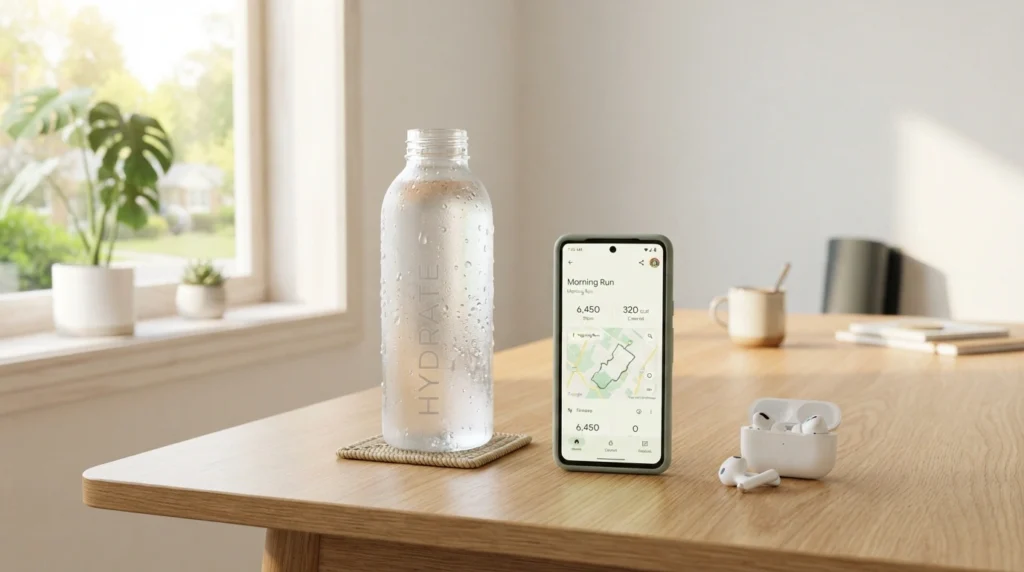
There are several practical reasons people continue to rely on to go bottled water instead of other hydration methods.
Convenience Factor
The single biggest reason people choose to go bottled water is convenience. It’s sealed, ready to drink, and available almost everywhere — gas stations, grocery stores, vending machines, and online retailers. There’s no need to plan ahead or carry a reusable bottle that needs refilling.
Health and Hygiene Benefits
Sealed bottled water reduces the risk of contamination compared to open water sources or improperly cleaned reusable bottles. For people with busy schedules who can’t always wash a bottle between uses, sealed to go bottled water offers a hygienic alternative that’s ready whenever needed.
Consistent Quality
Most bottled water brands follow strict filtration and quality control standards, meaning the taste and purity remain consistent bottle after bottle. This consistency is one reason travelers and commuters trust to go bottled water over unknown tap sources.
Types of To Go Bottled Water Available Today
Not all best to go bottled water is created equal. Here are the main types you’ll find on store shelves:
- Spring Water – Sourced from natural springs and minimally processed, retaining natural minerals.
- Purified Water – Treated through reverse osmosis or distillation to remove impurities.
- Mineral Water – Contains naturally occurring minerals like calcium and magnesium.
- Alkaline Water – Adjusted to a higher pH level, marketed for potential health benefits.
- Flavored/Infused Water – Water with natural fruit essences and zero or low sugar content.
- Sparkling Water – Carbonated for those who prefer fizzy hydration on the go.
Each type serves a different taste preference and purpose, but all fall under the broader umbrella of to go bottled water designed for portability and quick access.
Key Benefits of To Go Bottled Water
Choosing to go bottled water regularly offers several advantages worth considering:
- Portability – Lightweight and easy to carry in bags, cup holders, or gym bags.
- Time-Saving – No need to fill, clean, or carry a separate reusable container.
- Consistent Safety Standards – Regulated bottling processes ensure quality control.
- Wide Availability – Found in nearly every retail location, making it accessible anywhere.
- Variety of Options – From flavored to sparkling, there’s a type for every preference.
- Ideal for Emergencies – A reliable hydration source during travel delays or unexpected situations.
These benefits explain why to go bottled water remains a staple in office pantries, gyms, airports, and family road trips alike.
To Go Bottled Water Price Comparison
Pricing varies significantly depending on brand, bottle size, and water type. Below is a general price comparison to help you budget for your hydration needs.
| Bottle Size | Type | Average Price (Single Bottle) | Average Price (Pack of 24) |
|---|---|---|---|
| 500ml (16.9 oz) | Purified Water | $1.00 – $1.50 | $5.00 – $7.00 |
| 500ml (16.9 oz) | Spring Water | $1.25 – $2.00 | $6.00 – $9.00 |
| 500ml (16.9 oz) | Sparkling Water | $1.50 – $2.50 | $8.00 – $12.00 |
| 1 Liter | Mineral Water | $2.00 – $3.50 | $15.00 – $20.00 |
| 1 Liter | Alkaline Water | $2.50 – $4.00 | $18.00 – $25.00 |
| 500ml | Flavored/Infused Water | $1.75 – $2.75 | $9.00 – $14.00 |
Prices may vary based on region, retailer, and seasonal promotions. Bulk purchases typically offer better long-term value.
How to Choose the Right To Go Bottled Water
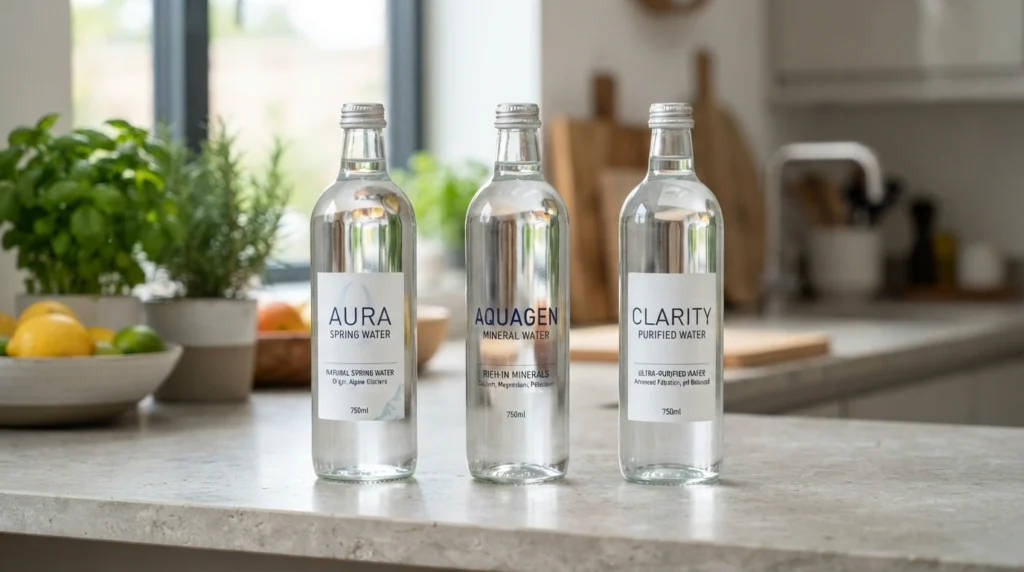
With so many options available, selecting the right product requires a bit of thought.
Consider Bottle Size
If you’re commuting short distances, a 500ml bottle may be sufficient. For longer trips, hikes, or workouts, a 1-liter option provides extended hydration without needing a refill.
Check Material Safety
Look for BPA-free plastic, food-grade glass, or recyclable aluminum. This ensures the water inside remains safe and free from harmful chemical leaching, especially when bottles are exposed to heat during transport.
Look at Brand Reputation
Established brands typically undergo more rigorous testing and quality assurance. Checking third-party certifications or lab test results can help confirm the purity of your chosen bottled water.
Evaluate Taste Preferences
Some people prefer the mineral-rich taste of spring water, while others lean toward the crisp neutrality of purified water. Sampling a few types can help identify your personal preference.
Environmental Impact of To Go Bottled Water
While to go bottled water offers unmatched convenience, it’s worth acknowledging its environmental footprint. Single-use plastic bottles contribute to landfill waste and ocean pollution when not properly recycled. Consumers who rely heavily on bottled water can reduce their impact by:
- Choosing brands that use recycled or biodegradable materials
- Recycling bottles through designated programs
- Opting for larger multi-serve containers instead of individual bottles when at home
- Supporting brands with transparent sustainability practices
Balancing convenience with environmental responsibility is becoming a bigger priority for both consumers and manufacturers in this space.
Tips for Using To Go Bottled Water Efficiently
To get the most value and convenience from your bottled water purchases, keep these tips in mind:
- Buy in bulk when possible to reduce per-bottle cost.
- Store bottles in a cool, shaded area to maintain freshness and prevent plastic degradation.
- Check expiration dates, especially for flavored or mineral-enhanced varieties.
- Keep a few bottles in your car or bag for emergencies.
- Recycle empty bottles immediately rather than letting them accumulate.
Small habits like these make your hydration routine both cost-effective and more sustainable over time.
FAQs
Is to go bottled water safe to drink every day?
Yes, as long as it comes from a reputable brand that follows regulated bottling and safety standards, it is generally safe for daily consumption.
How long does to go bottled water stay fresh once opened?
Once opened, it’s best consumed within 1–2 days to avoid bacterial contamination, especially if not refrigerated.
What’s the difference between purified and spring bottled water?
Purified water is treated to remove impurities, while spring water is naturally sourced and retains its original mineral content.
Can to go bottled water expire?
The water itself doesn’t spoil, but the plastic bottle can degrade over time, which is why most brands include a best-by date for quality assurance.
Is bottled water more expensive than tap water in the long run?
Yes, bottled water costs significantly more per gallon than tap water, but it offers convenience and portability that tap water cannot match when you’re away from home.
What size bottle is best for daily commuting?
A 500ml bottle is typically sufficient for short commutes, while 1-liter bottles are better suited for longer travel or physical activity.
Conclusion
To go bottled water has become an everyday necessity for people who value convenience, hygiene, and reliable hydration wherever life takes them.
From choosing the right bottle size to understanding pricing and environmental impact, making informed decisions about your bottled water habits can improve both your daily routine and your budget.
Whether you prefer spring, purified, or sparkling varieties, there’s an option suited to nearly every lifestyle and preference, making it easier than ever to stay hydrated on the go.
References
- U.S. Food and Drug Administration – Bottled Water Everywhere: Keeping It Safe (fda.gov)
- International Bottled Water Association – Bottled Water Regulation and Safety Standards (bottledwater.org)
- World Health Organization – Drinking-Water Fact Sheet (who.int)
- Environmental Protection Agency – Drinking Water Regulations and Contaminants (epa.gov)
- National Institutes of Health – Water, Hydration, and Health (ncbi.nlm.nih.gov)