If you have ever scanned a LongHorn Steakhouse menu, you have probably noticed this steak sitting quietly among the ribeyes and filets. It looks humble. It is priced lower than almost every other steak on the list.
And yet, it sparks more debate among steak lovers than almost any other cut on the menu. Some diners call it a smart, protein-packed bargain. Others call it the weakest link in an otherwise strong lineup.
This guide breaks down everything you actually need to know about the renegade sirloin where it comes from, how it tastes, what it costs, how many calories it packs, and whether it deserves a spot on your plate.
We will also look at how to cook it at home so it turns out tender instead of tough, since that single mistake is what gives this cut its mixed reputation.
What Exactly Is the Renegade Sirloin?
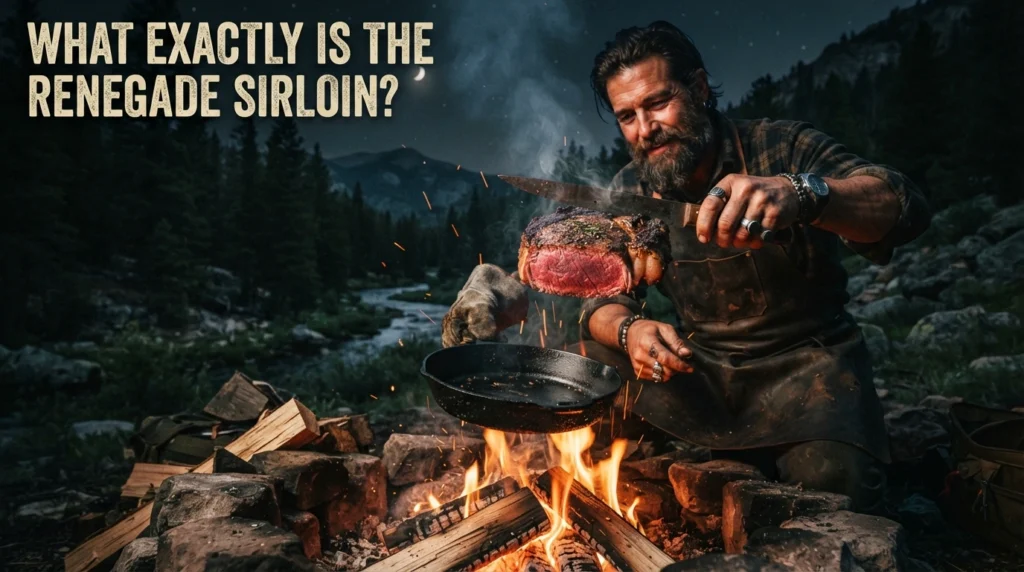
The renegade sirloin is a lean, center-cut top sirloin steak served exclusively at LongHorn Steakhouse. It comes from the center-cut top sirloin, described on LongHorn’s own menu as “lean and hearty.”
It is available in multiple portion sizes, typically 6 oz, 8 oz, and occasionally larger cuts depending on the location.
Unlike a ribeye or a strip steak, this cut comes from a section of the cow that works harder during the animal’s life. Because it is a top sirloin cut, it comes from a harder-working muscle area of the cow, which gives it a firmer texture and less fat than cuts like ribeye or filet, but also a stronger, more direct beef flavor.
That trade-off less fat for more chew and bolder taste is really the heart of every conversation about this cut.
Where the Cut Comes From on the Cow
Top sirloin sits between the more tender short loin and the tougher round primal. This location explains why this cut is leaner than a ribeye but still noticeably more flavorful and firmer than a filet mignon. It is not a “premium” cut in the traditional steakhouse sense, but it is a legitimate, well-respected cut of beef in its own right.
The Prairie Dust Seasoning
Part of what makes this steak recognizable is LongHorn’s proprietary spice rub. LongHorn has perfected this cut with its signature “Prairie Dust” seasoning, a blend that typically includes paprika, garlic powder, onion powder, salt, pepper, and other herbs, giving the steak a savory, slightly smoky profile.
This seasoning does a lot of heavy lifting, since the cut itself does not carry the same natural fat-driven flavor that a ribeye brings to the table.
“If you do opt for the renegade sirloin, it would be wise to order it rare to medium-rare to mitigate any potential toughness.”
That quote captures the single most important tip for anyone ordering this steak: doneness level changes everything.
Renegade Sirloin Taste, Texture, and Overall Quality
So how does it actually eat? Reviewers generally agree on a few consistent points.
- Flavor: Bold and direct, driven mostly by the seasoning and the char from open-flame grilling rather than internal marbling.
- Texture: Firmer and chewier than a filet or ribeye, especially past medium doneness.
- Best served: Rare to medium-rare, which keeps the lean muscle fibers from tightening up too much.
- Value: One of the most affordable steaks on the LongHorn menu, making it a frequent weeknight choice.
Independent reviewers have not always been kind to this steak when it is overcooked. One review that ranked seven standard LongHorn steaks found the Renegade Sirloin to be the toughest cut on the menu, partly because leaner steak cuts toughen up more easily when cooked.
This is not a flaw unique to LongHorn’s kitchen it is simply how lean sirloin behaves under heat. The steak rewards a careful cook and punishes a careless one.
On the other hand, plenty of regular customers stand firmly behind it. One diner described ordering this steak with grilled shrimp on multiple visits and called the experience “great” and “awesome,” noting they had no complaints about the dish.
That gap between critical reviews and everyday customer satisfaction is worth keeping in mind before you write this steak off entirely.
Renegade Sirloin Price and Portion Sizes
Pricing varies slightly by location and year, but this steak consistently sits at the lower end of LongHorn’s steak pricing. It comes in 6 oz, 8 oz, and 11 oz portions, with prices typically ranging from around $14 to $22 depending on size and location.
Some locations list the 6 oz portion closer to $16 to $18, with the 8 oz version priced a few dollars higher.
Why It Is Considered a Budget-Friendly Choice
Compared to the ribeye or the outlaw ribeye, this cut costs noticeably less while still delivering a full steakhouse plate, usually paired with a salad and a side. For diners who want the steakhouse experience without the premium price tag, this cut fills that gap effectively.
Renegade Sirloin Nutrition and Calories
For health-conscious diners, this is where this lean cut genuinely shines. The 6 oz version contains approximately 250 calories and 38g of protein, making it one of the leaner, higher-protein steaks on LongHorn’s menu.
Compared to fattier cuts, the numbers speak for themselves:
- Lower fat content than ribeye or porterhouse, since it comes from a leaner muscle group.
- High protein density, making it a strong option for anyone tracking macros.
- Fewer overall calories per ounce than heavily marbled steaks.
- No heavy sauce requirement, since the seasoning alone carries the flavor.
A 6 oz ribeye contains roughly 370 calories and 30 grams of fat, which makes the sirloin a leaner alternative for diners watching their intake.
If you are following a high-protein or lower-fat eating plan, this steak is arguably one of the smarter steak choices on the entire menu.
How to Cook Renegade Sirloin at Home
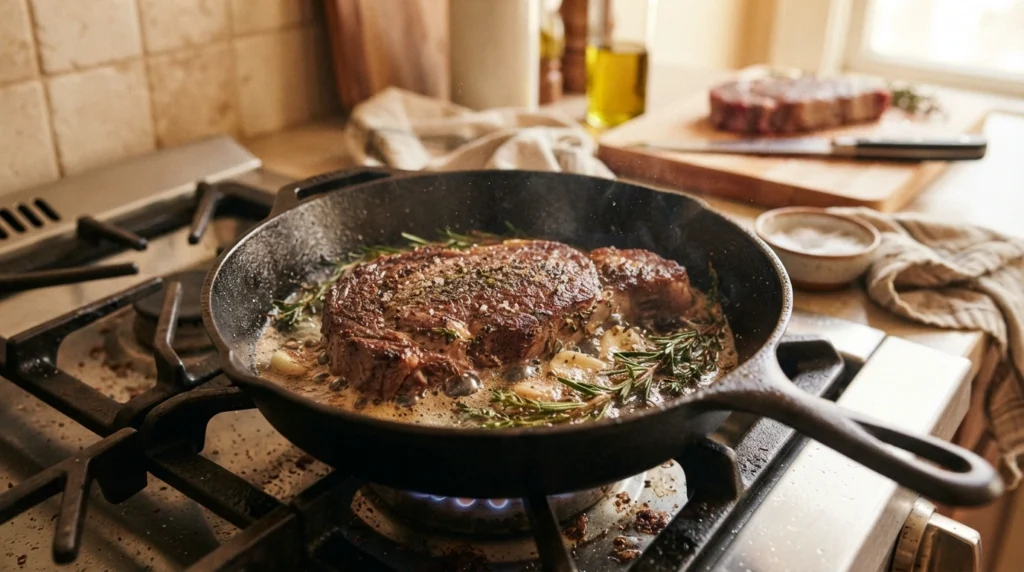
You do not need a LongHorn visit to enjoy this cut. Because it is simply a seasoned top sirloin, it is easy to recreate in your own kitchen with a few careful adjustments.
Ingredients That Work Best
- Well-marbled top sirloin steaks, roughly 6 to 8 oz each
- Olive oil for coating
- Kosher salt and freshly ground black pepper
- Garlic powder and smoked paprika
- Optional fresh rosemary or thyme for garnish
Step-by-Step Cooking Method
- Pat the steak completely dry with paper towels before seasoning; moisture on the surface prevents a good sear.
- Brush both sides lightly with olive oil.
- Season generously with salt, pepper, garlic powder, and smoked paprika to mimic the Prairie Dust flavor profile.
- Sear over high heat, on a grill, cast iron pan, or air fryer at around 400°F, flipping once halfway through.
- Cook to rare or medium-rare only, since this lean cut toughens quickly past that point.
- Rest the steak for five minutes before slicing so the juices redistribute evenly.
Common Mistakes to Avoid
- Cooking it past medium, which is the single biggest reason people call this steak tough.
- Skipping the resting period, which causes juices to run out onto the cutting board instead of staying in the meat.
- Slicing with the grain instead of against it, which makes an already firm cut feel chewier than necessary.
Renegade Sirloin vs Other LongHorn Steaks
It helps to see how this steak stacks up against its menu neighbors before deciding what to order.
- Renegade Sirloin vs Ribeye: The ribeye wins on marbling and richness; the sirloin wins on price and protein-to-calorie ratio.
- Renegade Sirloin vs Outlaw Ribeye: The outlaw ribeye is bigger, fattier, and more indulgent; the renegade sirloin is leaner and more budget-friendly.
- Renegade Sirloin vs Filet Mignon: The filet is far more tender and buttery, but it also costs significantly more and offers less bold, beefy flavor.
If tenderness above everything else is your priority, the filet or a ribeye will likely satisfy you more. If you want a leaner, high-protein steak with strong beefy flavor at a lower price point, this cut remains a sensible pick.
Is the Renegade Sirloin Worth Ordering?
The honest answer depends entirely on how it is cooked and what you expect from it. Ordered rare to medium-rare, seasoned well, and rested properly, this steak delivers a satisfying, budget-friendly, high-protein steak experience.
Overcooked, it can feel tough and disappointing compared to fattier cuts on the same menu.
For diners who prioritize value, protein content, and bold seasoning over buttery tenderness, this cut earns its place. For diners chasing a melt-in-your-mouth bite, a filet or ribeye remains the safer choice.
Frequently Asked Questions
Is the renegade sirloin a good cut of steak?
Yes, when cooked correctly. It is lean, high in protein, and full of beefy flavor, though it is naturally firmer than fattier cuts like ribeye.
What part of the cow does the renegade sirloin come from?
It comes from the top sirloin, a section located between the short loin and the round, known for being lean and flavorful rather than heavily marbled.
How should I order the renegade sirloin to avoid a tough bite?
Order it rare to medium-rare. Because it is a lean cut, cooking it past medium significantly increases the chances of a chewy, tough texture.
Is the renegade sirloin healthy?
It is one of the leaner, higher-protein steak options available, making it a reasonable choice for anyone watching fat intake or tracking macros.
Can I cook a renegade sirloin style steak at home?
Yes. A well-marbled top sirloin, simple steakhouse seasoning, high-heat searing, and a short rest period can recreate a very similar result at home.
Why do some reviews call it the worst steak on the menu?
Most negative reviews stem from the steak being overcooked. Because it is lean, it toughens faster than fattier cuts once it passes medium doneness.
Conclusion
This lean cut is not trying to be the richest or most luxurious steak on the menu, and that is exactly the point. It is a lean, protein-forward, budget-friendly cut that rewards careful cooking and punishes overcooking.
Whether you order it at LongHorn or recreate it in your own kitchen, understanding what this cut is and is not will help you enjoy it for what it genuinely offers: bold flavor, solid nutrition, and real value for your money.
References
- Chowhound
- LongHorn Steakhouse Menu, Yelp
- LongHorn Restaurant Menu Review
- LongHorn Menu Guide
- Fork To Spoon
- LongHorn Menu Prices