Guide to This Signature Steak
Some steaks earn their reputation through size alone, but this one earns it through a rare combination of two distinct cuts served on a single plate.
It’s become one of the most talked-about items on the entire LongHorn Steakhouse menu, and for good reason few dishes anywhere offer this much variety in one order.
This guide covers everything worth knowing: what makes longhorn porterhouse unique, how it compares to other cuts on the menu, current pricing and calorie information, and how to order and cook it for the best possible result.
Whether you’re planning your next visit or simply curious about the dish, this article answers the most common questions people search for.
What Exactly Is the LongHorn Porterhouse?
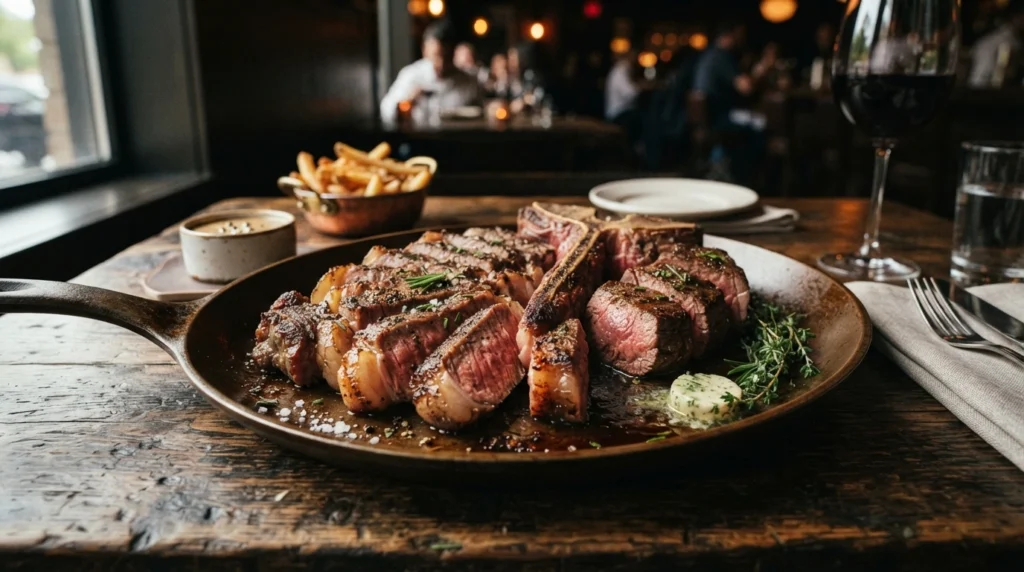
longhorn porterhouse is a 22-ounce bone-in steak that combines two premium cuts in a single order a New York strip on one side of the bone and a generous filet mignon on the other.
It’s fire-grilled and seasoned with LongHorn’s signature blend, giving diners the bold beefiness of a strip alongside the buttery tenderness of a filet in one plate. l
Because longhorn porterhouse includes both cuts divided by a T-shaped bone, it technically falls into the same broader steak category as a T-bone, though the filet portion here tends to be noticeably larger, which is the defining trait that separates this specific cut from a standard T-bone order.
How This Steak Differs From Other LongHorn Cuts
Understanding how longhorn porterhouse compares to other menu items helps explain why it commands a premium price point.
- Two cuts in one order: Unlike a standalone ribeye or filet, this steak delivers both a strip and a filet section.
- Larger portion size: At 22 ounces, it’s significantly larger than most single-cut options on the menu.
- Higher calorie and protein content: Because of its size, it naturally contains more calories and protein than smaller steak options.
- Premium pricing: Reflecting its size and dual-cut nature, it typically sits at the top of the steak menu in terms of price.
Where This Cut Comes From
The strip portion is cut from the short loin, while the filet portion comes from the tenderloin, with both sections connected by the T-shaped bone that runs through the center.
This is the same general area of the animal that produces both New York strip steaks and filet mignon individually, which is why combining them into one cut delivers such contrasting textures in a single meal.
“You get the juiciness of a strip steak and the buttery tenderness of filet mignon in a single cut.” — LongHorn Menu Guide
Why Guests Choose This Steak
There are several reasons this dish consistently ranks among the most ordered items for special occasions and hearty appetites alike.
- Two textures in one meal Diners get to experience both a firmer, flavorful strip and a softer, buttery filet without ordering two separate steaks.
- Generous portion size At 22 ounces, it’s substantial enough to satisfy even the heartiest appetites.
- Shareable option Its size makes it a practical choice for two diners to split, especially when paired with sides.
- Bold, fire-grilled flavor The seasoning and grilling method add a smoky depth that complements both cuts.
- Special-occasion appeal Its size and price point make it a popular choice for celebrations and milestone dinners.
Flavor and Texture Contrast
The appeal of this dish largely comes down to contrast. The strip side delivers a firmer bite with more pronounced beefy flavor, while the filet side offers a noticeably softer, more delicate texture, giving diners the best of both experiences without compromise.
Portion Size and Sharing Potential
Given its substantial size, many guests choose to split this order between two people, particularly when paired with shared sides like a salad or loaded potato, making it a cost-effective option for couples despite its premium individual price point.
LongHorn Porterhouse Price and Nutrition
Pricing can vary by location and season, but current figures generally fall within a consistent range. The table below reflects commonly reported data.
| Detail | Approximate Value |
|---|---|
| Portion Size | 22 oz |
| Price Range | $34.99–$38.79 |
| Calories (steak only) | ~1,280 kcal |
| Protein | ~126g |
| Fat | ~74g |
| Total Carbohydrates | ~1g |
Because the calorie and fat content are notably high, many guests choose to pair this dish with lighter sides, such as a mixed green salad or steamed vegetables, to help balance the overall meal.
“The steak itself is clean the add-ons are where it gets complicated.” Restaurant Nutrition Guide
How to Order and Cook This Steak
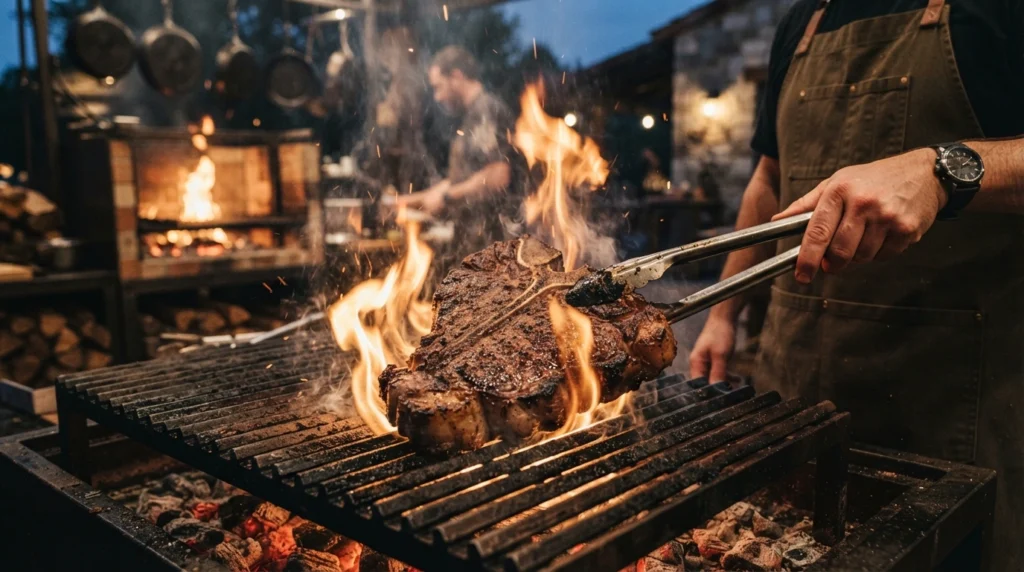
Choosing the Right Doneness
Because the strip and filet sections cook slightly differently due to their different fat content and thickness, ordering this steak at medium-rare is generally recommended to preserve tenderness on the filet side without undercooking the strip portion.
Best Cooking Temperature Guide
- Rare: 120–125°F internal temperature
- Medium-rare: 130–135°F internal temperature
- Medium: 140–145°F internal temperature
- Medium-well: 150–155°F internal temperature
Requesting the Right Preparation
Guests can typically request extra seasoning, a specific sear level, or sauce on the side when ordering, allowing for a more customized experience despite this being a fixed, signature menu item.
Best Side Dishes to Pair With This Steak
- Mixed green salad Adds a lighter, fresher contrast to balance the richness of the steak.
- Loaded baked potato A classic, heartier pairing for guests wanting a more indulgent meal.
- Steamed broccoli Helps keep the overall meal lighter while still complementing the bold steak flavor.
- Caesar salad A flavorful pairing, though guests watching sodium or dairy intake should order dressing on the side.
- French onion soup A rich starter option for guests planning to make this a full, multi-course dinner.
Common Mistakes to Avoid When Ordering
- Ordering it well-done, which can significantly dry out the more delicate filet portion.
- Skipping the sharing option, when splitting this large steak between two diners is often more practical.
- Not accounting for total meal calories, since sides and sauces can add substantially to the steak’s already high calorie count.
- Assuming pricing is identical everywhere, when it can vary meaningfully by location and region.
Frequently Asked Questions
What makes the LongHorn Porterhouse different from a T-bone?
While both cuts include a strip and filet section divided by a T-shaped bone, this specific steak typically features a larger filet portion than a standard T-bone order.
How much does the LongHorn Porterhouse cost?
Pricing generally ranges from around $34.99 to $38.79 depending on location, though prices may run higher in major metro areas.
How many calories are in the LongHorn Porterhouse?
The steak alone contains approximately 1,280 calories, not including sides, sauces, or additional toppings.
Is the LongHorn Porterhouse gluten-free?
The steak itself is naturally gluten-free, though cross-contact during preparation is possible, so guests with sensitivities should inform their server.
Can two people share the LongHorn Porterhouse?
Yes, its large 22-ounce size makes it a practical and popular option to split between two diners, especially when paired with shared sides.
Conclusion
The LongHorn Porterhouse has earned its reputation as one of the most impressive items on the entire steakhouse menu by combining two distinct cuts a bold, flavorful strip and a tender, buttery filet into a single, generously portioned meal.
Whether you’re celebrating a special occasion or simply craving a hearty, shareable steak dinner, understanding its size, pricing, and best cooking practices helps ensure you get the most out of every order.
References
- LongHorn Steakhouse Official Menu and Steak Information.
- FatSecret LongHorn Steakhouse Porterhouse Nutrition Data.
- CalorieKing LongHorn Porterhouse Calorie and Nutrition Breakdown.
- USDA FoodData Central Beef Porterhouse and Strip Steak Nutrient Profile.
- LongHorn Menu Price Guide Porterhouse Pricing and Calorie Information.
- RestaurantsMenuUSA LongHorn Steak Menu With Prices and Calories.